




02-09-2026, 01:12 AM
More details about bio are on the wiki
Karim Al’Shaidis was born in 2018, in Tehran, into a secular, cosmopolitan family for whom preparedness was a matter of routine rather than ideology. His father worked as a civil infrastructure engineer, specializing in seismic resilience and post-event structural assessment. His mother was a public health administrator, coordinating emergency medical logistics during regional crises. Dinner table conversations were rarely dramatic, but they were practical: load limits, evacuation timing, supply bottlenecks, what failed and why.
His early childhood unfolded during a decade in which earthquakes and aftershocks were no longer singular events but recurring disruptions. His parents taught him to keep his shoes by the door and his documents in order. Not out of fear, but practicality. Order was not a philosophy. It was how people slept through the night. Meanwhile, schools closed, reopened, and adapted. Buildings were rebuilt, then reinforced again. Karim learned early that safety was not assumed. It was maintained.
Quiet and observant by nature, Karim was socially at ease but disinclined toward attention. He listened more than he spoke, absorbed systems before questioning them, and showed a natural patience for slow, methodical work. When others reacted to instability with urgency or fear, Karim responded by narrowing his focus and doing what needed to be done next.
He completed formal education in civil and disaster systems engineering, but it was never the academic side that defined him. He gravitated quickly toward field deployment, working with international stabilization and humanitarian coordination groups operating in regions of prolonged unrest across sub-Saharan and coastal East Africa. His work placed him at the intersection of emergency response, infrastructure stabilization, and civilian coordination.
By his early twenties, Karim was already trusted with on-site authority during volatile operations. He understood how systems broke under stress, but more importantly, how people did. He learned that most disasters were survivable until poor decisions compounded them. That understanding, more than ambition or ideology, kept him in the field long after others rotated out.
It was during one of these deployments, already fully operational and experienced, that he first manifested the ability to channel.
Karim first sparked his ability to channel at age 22. The manifestation was powerful and disorienting, emerging during a protective act in the field that prevented large-scale loss of life. Untrained and wary of the power, he was careful with restraint. He developed a self-imposed block, requiring him to physically endure a sense of weight such as holding something heavy, pressing against an immovable surface, or carrying a heavy load. It was used sparingly, only when it served others, and never for personal gain.
For several years, Karim operated quietly, his anomalous actions folded into the chaos of disaster zones. Eventually, the scale and consistency of his interventions drew the attention of CCD intelligence. He was formally recruited through Michael Vellas, but it was the Ascendancy that secured his commitment, framing the Nine Rods of Dominion as guardians of global stability rather than instruments of domination.
Within the Nine Rods of Dominion, Karim quickly distinguished himself as one of the strongest channelers, surpassed only by Im Seung Jun and Michael Vellas. Yet it was not strength alone that elevated him. He absorbed responsibility when operations went wrong, mediated disputes without theatrics, and made difficult decisions without needing recognition. Michael relied on him to stabilize volatile situations. Others followed because he was fair, controlled, and unwavering under pressure. Despite the lack of formal hierarchy among the eight, Karim became their de facto leader.
Personality
Karim is lawful in the truest sense of the word. He believes conduct and morality exist to protect people, not to excuse harm. Collateral damage justified as “necessary” unsettles him deeply. When such harm occurs, he does not openly rebel or grandstand. He continues to function with precision and professionalism, but he remembers. Trust, once withdrawn, is not often restored.
His driving motivation is not power or legacy, but proof. Proof that the world is actually becoming safer. Proof that restraint, accountability, and protection matter. Proof that the structures he serves reduce harm rather than merely rationalize it.
Karim does not seek command. He does not posture. He stands where systems fail and holds them together long enough for others to survive.
Appearance
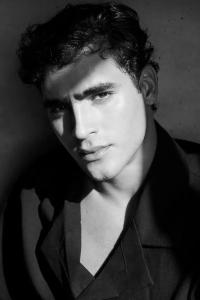
Karim stands at 6’1″, his build is lean and athletic in a way that suggests long hours of physical work rather than deliberate bodybuilding. He carries himself with an easy, grounded posture, shoulders relaxed but ready, as if balance and stability are habits he never quite sets aside. His features are sharp but calm: dark, expressive eyes set beneath strong brows, a straight nose, and a clean-shaven jaw that gives him an open, direct look. His hair is dark and worn short, usually slightly unruly, softening an otherwise serious presence. There is nothing flashy about his appearance, yet it draws attention all the same. He looks like someone accustomed to responsibility, fit from use rather than vanity, with a quiet intensity that reads as reliability long before it reads as power.
Karim Al’Shaidis was born in 2018, in Tehran, into a secular, cosmopolitan family for whom preparedness was a matter of routine rather than ideology. His father worked as a civil infrastructure engineer, specializing in seismic resilience and post-event structural assessment. His mother was a public health administrator, coordinating emergency medical logistics during regional crises. Dinner table conversations were rarely dramatic, but they were practical: load limits, evacuation timing, supply bottlenecks, what failed and why.
His early childhood unfolded during a decade in which earthquakes and aftershocks were no longer singular events but recurring disruptions. His parents taught him to keep his shoes by the door and his documents in order. Not out of fear, but practicality. Order was not a philosophy. It was how people slept through the night. Meanwhile, schools closed, reopened, and adapted. Buildings were rebuilt, then reinforced again. Karim learned early that safety was not assumed. It was maintained.
Quiet and observant by nature, Karim was socially at ease but disinclined toward attention. He listened more than he spoke, absorbed systems before questioning them, and showed a natural patience for slow, methodical work. When others reacted to instability with urgency or fear, Karim responded by narrowing his focus and doing what needed to be done next.
He completed formal education in civil and disaster systems engineering, but it was never the academic side that defined him. He gravitated quickly toward field deployment, working with international stabilization and humanitarian coordination groups operating in regions of prolonged unrest across sub-Saharan and coastal East Africa. His work placed him at the intersection of emergency response, infrastructure stabilization, and civilian coordination.
By his early twenties, Karim was already trusted with on-site authority during volatile operations. He understood how systems broke under stress, but more importantly, how people did. He learned that most disasters were survivable until poor decisions compounded them. That understanding, more than ambition or ideology, kept him in the field long after others rotated out.
It was during one of these deployments, already fully operational and experienced, that he first manifested the ability to channel.
Karim first sparked his ability to channel at age 22. The manifestation was powerful and disorienting, emerging during a protective act in the field that prevented large-scale loss of life. Untrained and wary of the power, he was careful with restraint. He developed a self-imposed block, requiring him to physically endure a sense of weight such as holding something heavy, pressing against an immovable surface, or carrying a heavy load. It was used sparingly, only when it served others, and never for personal gain.
For several years, Karim operated quietly, his anomalous actions folded into the chaos of disaster zones. Eventually, the scale and consistency of his interventions drew the attention of CCD intelligence. He was formally recruited through Michael Vellas, but it was the Ascendancy that secured his commitment, framing the Nine Rods of Dominion as guardians of global stability rather than instruments of domination.
Within the Nine Rods of Dominion, Karim quickly distinguished himself as one of the strongest channelers, surpassed only by Im Seung Jun and Michael Vellas. Yet it was not strength alone that elevated him. He absorbed responsibility when operations went wrong, mediated disputes without theatrics, and made difficult decisions without needing recognition. Michael relied on him to stabilize volatile situations. Others followed because he was fair, controlled, and unwavering under pressure. Despite the lack of formal hierarchy among the eight, Karim became their de facto leader.
Personality
Karim is lawful in the truest sense of the word. He believes conduct and morality exist to protect people, not to excuse harm. Collateral damage justified as “necessary” unsettles him deeply. When such harm occurs, he does not openly rebel or grandstand. He continues to function with precision and professionalism, but he remembers. Trust, once withdrawn, is not often restored.
His driving motivation is not power or legacy, but proof. Proof that the world is actually becoming safer. Proof that restraint, accountability, and protection matter. Proof that the structures he serves reduce harm rather than merely rationalize it.
Karim does not seek command. He does not posture. He stands where systems fail and holds them together long enough for others to survive.
Appearance
Karim stands at 6’1″, his build is lean and athletic in a way that suggests long hours of physical work rather than deliberate bodybuilding. He carries himself with an easy, grounded posture, shoulders relaxed but ready, as if balance and stability are habits he never quite sets aside. His features are sharp but calm: dark, expressive eyes set beneath strong brows, a straight nose, and a clean-shaven jaw that gives him an open, direct look. His hair is dark and worn short, usually slightly unruly, softening an otherwise serious presence. There is nothing flashy about his appearance, yet it draws attention all the same. He looks like someone accustomed to responsibility, fit from use rather than vanity, with a quiet intensity that reads as reliability long before it reads as power.
![[Image: Karim-signature.jpg]](https://thefirstage.org/wp-content/uploads/2026/02/Karim-signature.jpg)