



01-31-2026, 01:43 AM
Nikolai was halfway to the reception hall when Viktor, his chief of staff, intercepted him with a flick of the wrist; a signal honed by years of protocol and necessity.
"I'm told it's the weather," Viktor said, eyes scanning a data pad scrolling with live feeds, atmospheric scans, and predictive models. He offered it, but Nikolai only glanced. His expression remained fixed. Displeasure carved into ice.
"He’s doing it on purpose," Nikolai said, voice low. “A show of strength, veiled in convenient circumstance. Communicate to the motorcade that this delay is unacceptable. Continued lateness will be interpreted as disrespect.”
Viktor gave a sharp nod, already turning to relay the order, but paused. “Understood. Though… the city has begun closing roads outside the Third Ring. Snow accumulation is worse than forecasted.”
He showed Nikolai the figures. The Ascendancy’s eyes narrowed.
“What are you saying?”
“Perhaps—” Viktor hesitated, rare for him, “—you should consider canceling the summit.”
Tempting. To let the moment collapse before it even began, to let the Vatican stew in its own sense of self-importance. But no. That would be weakness, and the Pope would use it to his advantage somehow spinning sympathy for himself.
“No,” Nikolai said. “The summit proceeds. Inform Myshelov: I want every road between the Vatican motorcade and the Kremlin cleared. No traffic. No citizens. No obstacles.”
“Of course, Ascendancy.”
Orders dispersed like ripples through water. Even as he continued on, Nikolai’s thoughts lingered. He was told the Brotherhood’s delegation had already arrived and was awaiting formal greeting. He considered making an appearance, but decided to let them wait.
As he passed a tall arched window, snow spiraled past in heavy sheets, dense and endless. The sky above Moscow had become the color of stone. It was noted, but not particularly memorable.
When the Pope finally arrived, the great hall had already been readied.
Nikolai stood at the foot of the old Tsar’s throne, positioned in front of the central seat, where protocol placed him for all international ceremony. The press corps lined the edges of the chamber, feeds streaming in silence.
Patricus I entered without announcement.
And not in the gilded opulence Nikolai had anticipated. No jeweled mitre, no fluttering cope or golden crozier. The mozzetta was present, red velvet and ermine trim, as tradition demanded, but his overall appearance was… restrained. Traditional, yes, but not theatrical.
What struck Nikolai most was the veil, or rather, the lack of it. For over a decade, the Pope’s face had only been seen through a transparent veil; ever a symbol of divine separation, mystery cloaked in humility. But now, the veil was gone.
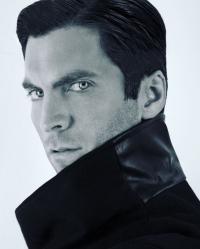
And the man revealed beneath it was poised, calm, handsome even, with eyes like still water over something fathoms deep. He was younger than Nikolai expected, though he was aware of the man’s age. It was strange, after all these years, to finally see the face of a man nearly as known to the world as himself. They were both from Baltimore, he recalled to some amusement.
Patricus came to a stop, precisely centered in the hall. For a long breath, they regarded one another, beneath the weight of watchful eyes and held breath.
Let the world wonder who would speak first.
Nikolai did.
"Your Holiness," he said, stepping forward, “it is a historic honor to welcome you to our capital. Our doors are open to you.” The words were rote with custom.
With that, he offered his hand. The gesture was not merely courtesy; it was symbolism and recognition. The Sovereign of the CCD extending the same deference he might offer to another. Vatican City was a dot on the map, a pinprick amid empires, and yet the clasp of hands said: you still matter.
Patricus accepted the hand, but his voice, when it came, was cool and careful. “The Successor of Peter is grateful for the hospitality shown by your nation.”
It was formulaic and intentional. A veil in words, since the cloth had been discarded.
They turned, each to their seats.
As Patricus approached his, one of the Gentlemen of His Holiness stepped forward, placing a discreet papal cushion atop the seat just enough to ensure the Pope sat at equal height to the Ascendancy. Nikolai watched the maneuver with inward amusement. He did not stop it. Symbols mattered, even the petty ones.
But Patricus did not yet sit. His gaze moved past Nikolai, toward the third chair. And there it was: the pause.
Nikolai did not miss it. He answered the question implied by the silence.
“I hope to honor you by making another introduction,” he said, gesturing.
The great doors opened.
A figure entered. He was lean and robed in various shades of dark colors, black and gray, with orange-gold thread glinting subtly through the cascade of his formal cloak. He walked with confidence, face half-shadowed under the grand lights.
“The Luminar of the Brotherhood of Ascension.”
There were gasps among the press corps.
Nikolai glanced sideways. Patricus’ expression revealed nothing. But in that long second of unreadable stillness, Nikolai wondered curiously:
Will he walk out?
"I'm told it's the weather," Viktor said, eyes scanning a data pad scrolling with live feeds, atmospheric scans, and predictive models. He offered it, but Nikolai only glanced. His expression remained fixed. Displeasure carved into ice.
"He’s doing it on purpose," Nikolai said, voice low. “A show of strength, veiled in convenient circumstance. Communicate to the motorcade that this delay is unacceptable. Continued lateness will be interpreted as disrespect.”
Viktor gave a sharp nod, already turning to relay the order, but paused. “Understood. Though… the city has begun closing roads outside the Third Ring. Snow accumulation is worse than forecasted.”
He showed Nikolai the figures. The Ascendancy’s eyes narrowed.
“What are you saying?”
“Perhaps—” Viktor hesitated, rare for him, “—you should consider canceling the summit.”
Tempting. To let the moment collapse before it even began, to let the Vatican stew in its own sense of self-importance. But no. That would be weakness, and the Pope would use it to his advantage somehow spinning sympathy for himself.
“No,” Nikolai said. “The summit proceeds. Inform Myshelov: I want every road between the Vatican motorcade and the Kremlin cleared. No traffic. No citizens. No obstacles.”
“Of course, Ascendancy.”
Orders dispersed like ripples through water. Even as he continued on, Nikolai’s thoughts lingered. He was told the Brotherhood’s delegation had already arrived and was awaiting formal greeting. He considered making an appearance, but decided to let them wait.
As he passed a tall arched window, snow spiraled past in heavy sheets, dense and endless. The sky above Moscow had become the color of stone. It was noted, but not particularly memorable.
When the Pope finally arrived, the great hall had already been readied.
Nikolai stood at the foot of the old Tsar’s throne, positioned in front of the central seat, where protocol placed him for all international ceremony. The press corps lined the edges of the chamber, feeds streaming in silence.
Patricus I entered without announcement.
And not in the gilded opulence Nikolai had anticipated. No jeweled mitre, no fluttering cope or golden crozier. The mozzetta was present, red velvet and ermine trim, as tradition demanded, but his overall appearance was… restrained. Traditional, yes, but not theatrical.
What struck Nikolai most was the veil, or rather, the lack of it. For over a decade, the Pope’s face had only been seen through a transparent veil; ever a symbol of divine separation, mystery cloaked in humility. But now, the veil was gone.
And the man revealed beneath it was poised, calm, handsome even, with eyes like still water over something fathoms deep. He was younger than Nikolai expected, though he was aware of the man’s age. It was strange, after all these years, to finally see the face of a man nearly as known to the world as himself. They were both from Baltimore, he recalled to some amusement.
Patricus came to a stop, precisely centered in the hall. For a long breath, they regarded one another, beneath the weight of watchful eyes and held breath.
Let the world wonder who would speak first.
Nikolai did.
"Your Holiness," he said, stepping forward, “it is a historic honor to welcome you to our capital. Our doors are open to you.” The words were rote with custom.
With that, he offered his hand. The gesture was not merely courtesy; it was symbolism and recognition. The Sovereign of the CCD extending the same deference he might offer to another. Vatican City was a dot on the map, a pinprick amid empires, and yet the clasp of hands said: you still matter.
Patricus accepted the hand, but his voice, when it came, was cool and careful. “The Successor of Peter is grateful for the hospitality shown by your nation.”
It was formulaic and intentional. A veil in words, since the cloth had been discarded.
They turned, each to their seats.
As Patricus approached his, one of the Gentlemen of His Holiness stepped forward, placing a discreet papal cushion atop the seat just enough to ensure the Pope sat at equal height to the Ascendancy. Nikolai watched the maneuver with inward amusement. He did not stop it. Symbols mattered, even the petty ones.
But Patricus did not yet sit. His gaze moved past Nikolai, toward the third chair. And there it was: the pause.
Nikolai did not miss it. He answered the question implied by the silence.
“I hope to honor you by making another introduction,” he said, gesturing.
The great doors opened.
A figure entered. He was lean and robed in various shades of dark colors, black and gray, with orange-gold thread glinting subtly through the cascade of his formal cloak. He walked with confidence, face half-shadowed under the grand lights.
“The Luminar of the Brotherhood of Ascension.”
There were gasps among the press corps.
Nikolai glanced sideways. Patricus’ expression revealed nothing. But in that long second of unreadable stillness, Nikolai wondered curiously:
Will he walk out?